ClevitraDB Health Home

Category

Patient Education

18 articles

Did I Already Take That? The Science Behind Medication Memory Failures and Their Hidden Health Toll

Did I Already Take That? The Science Behind Medication Memory Failures and Their Hidden Health Toll

Forgetting whether you have already taken your daily medication is one of the most common—and underestimated—errors in self-managed care. The consequences range from missed therapeutic benefit to dangerous accidental double dosing, yet the underlying cognitive mechanisms are rarely explained to patients. This article examines why medication memory lapses happen, who is most vulnerable, and which evidence-based tools reliably close the gap.


Silent Depletions: What Your Daily Medications May Be Doing to Your Nutritional Status

Silent Depletions: What Your Daily Medications May Be Doing to Your Nutritional Status

Millions of Americans take prescription medications without realizing that certain drugs systematically deplete the body of essential vitamins and minerals. Understanding which nutrients are at risk—and what the evidence supports in response—is an increasingly important dimension of comprehensive medication management. This article examines the science of drug-nutrient depletion and what patients can realistically do about it.

Same Prescription, Opposite Outcomes: Why a Safe Dose for One Patient Can Harm Another

Same Prescription, Opposite Outcomes: Why a Safe Dose for One Patient Can Harm Another

When two patients receive identical prescriptions and experience dramatically different results, the explanation rarely lies in the medication itself. From gut microbiome composition to hormonal fluctuations and environmental exposures, a web of biological variables quietly determines whether your medication heals or harms. Understanding these factors is the first step toward safer, more personalized care.

From Pill to Bloodstream: The Complex Journey That Determines Whether Your Medication Actually Reaches Its Target

From Pill to Bloodstream: The Complex Journey That Determines Whether Your Medication Actually Reaches Its Target

Swallowing a medication is only the beginning of a highly complex biological process that determines whether a drug ever reaches therapeutic levels in your body. Factors ranging from stomach acidity and intestinal transit speed to competing nutrients can significantly alter how much of a dose your body actually absorbs. Understanding these mechanisms empowers patients to make informed decisions about when, how, and with what they take their prescriptions.

Losing Ground Against Germs: What Antibiotic Resistance Means for Your Next Infection

Losing Ground Against Germs: What Antibiotic Resistance Means for Your Next Infection

Antibiotic resistance is no longer an abstract public health statistic—it is a clinical reality that can determine whether your next bacterial infection responds to treatment or spirals into a prolonged medical ordeal. Understanding how resistance develops, spreads, and narrows your therapeutic options is essential knowledge for any patient who relies on antibiotics. This article explains the science behind drug-resistant bacteria and offers concrete guidance on protecting the effectiveness of t

Precision Over Convenience: How Medication Timing Shapes Therapeutic Success

Precision Over Convenience: How Medication Timing Shapes Therapeutic Success

Most patients focus on whether they took their medication, not when they took it — but for many drugs, those two questions carry equal clinical weight. From blood pressure pills to antidepressants, the hour on the clock can determine whether a medication performs at its peak or falls frustratingly short. This article examines the pharmacological science behind timing windows and offers practical strategies for aligning your schedule with your prescription's demands.

Same DNA, Different Drug Story: What Pharmacogenomics Reveals About Personalized Medication Response

Same DNA, Different Drug Story: What Pharmacogenomics Reveals About Personalized Medication Response

Two people can receive identical prescriptions and experience vastly different outcomes—one finding relief, the other facing toxicity or no effect at all. The emerging science of pharmacogenomics explains why your genetic blueprint shapes how every medication behaves inside your body. Understanding this science may fundamentally change how you and your provider approach prescription decisions.

Past the Date on the Label: What Expiration Stamps Actually Tell You About Your Medications

Past the Date on the Label: What Expiration Stamps Actually Tell You About Your Medications

The date stamped on your prescription bottle is not a countdown to danger—it is a manufacturer's guarantee, and the distinction matters more than most patients realize. Understanding the science of drug degradation can help Americans make smarter, safer decisions about the medications sitting in their medicine cabinets. This article separates regulatory policy from pharmacological reality.

Prescribed for Your Body, Felt in Your Mind: The Psychiatric Side Effects Hiding in Plain Sight

Prescribed for Your Body, Felt in Your Mind: The Psychiatric Side Effects Hiding in Plain Sight

Many Americans take medications for physical conditions without realizing those same drugs may be quietly altering their mood, cognition, or emotional stability. Understanding the psychiatric side effect profiles of common non-psychiatric medications is essential for both patients and the providers who care for them. This article examines which drug classes carry the greatest mental health risk and what steps can be taken when symptoms emerge.

When Correct Becomes Harmful: The Hidden Limits of Standard Medication Dosing

When Correct Becomes Harmful: The Hidden Limits of Standard Medication Dosing

Following your prescription to the letter sounds like the responsible choice—and usually, it is. But for millions of Americans, standard dosing instructions calibrated to population averages can quietly cause harm, particularly when individual biology, organ function, or drug combinations shift the equation in ways no label anticipates. Understanding when 'correct' adherence may still be wrong for your body is one of the most important health literacy skills a patient can develop.

Clocking Out on Drug Efficacy: What Night Shifts and Sleep Loss Do to Your Prescriptions

Clocking Out on Drug Efficacy: What Night Shifts and Sleep Loss Do to Your Prescriptions

For the roughly 15 million Americans who work non-traditional hours, managing a prescription is far more complicated than reading the label. Disrupted sleep cycles and irregular schedules fundamentally alter how the body absorbs, processes, and responds to medications—often with consequences that neither patients nor providers anticipate.

Plate Meets Pharmacy: How Everyday Foods Quietly Undermine Your Medication

Plate Meets Pharmacy: How Everyday Foods Quietly Undermine Your Medication

What you eat and drink can dramatically alter how your body absorbs and processes prescription drugs — sometimes rendering them less effective, and other times dangerously amplifying their potency. From grapefruit juice to leafy green vegetables, the interactions between common foods and medications are more consequential than most patients realize. This guide examines the science behind these conflicts and offers practical strategies for timing meals around your prescriptions.

The Clock Inside Your Cells: How Circadian Biology Determines When Your Medication Works Best

The Clock Inside Your Cells: How Circadian Biology Determines When Your Medication Works Best

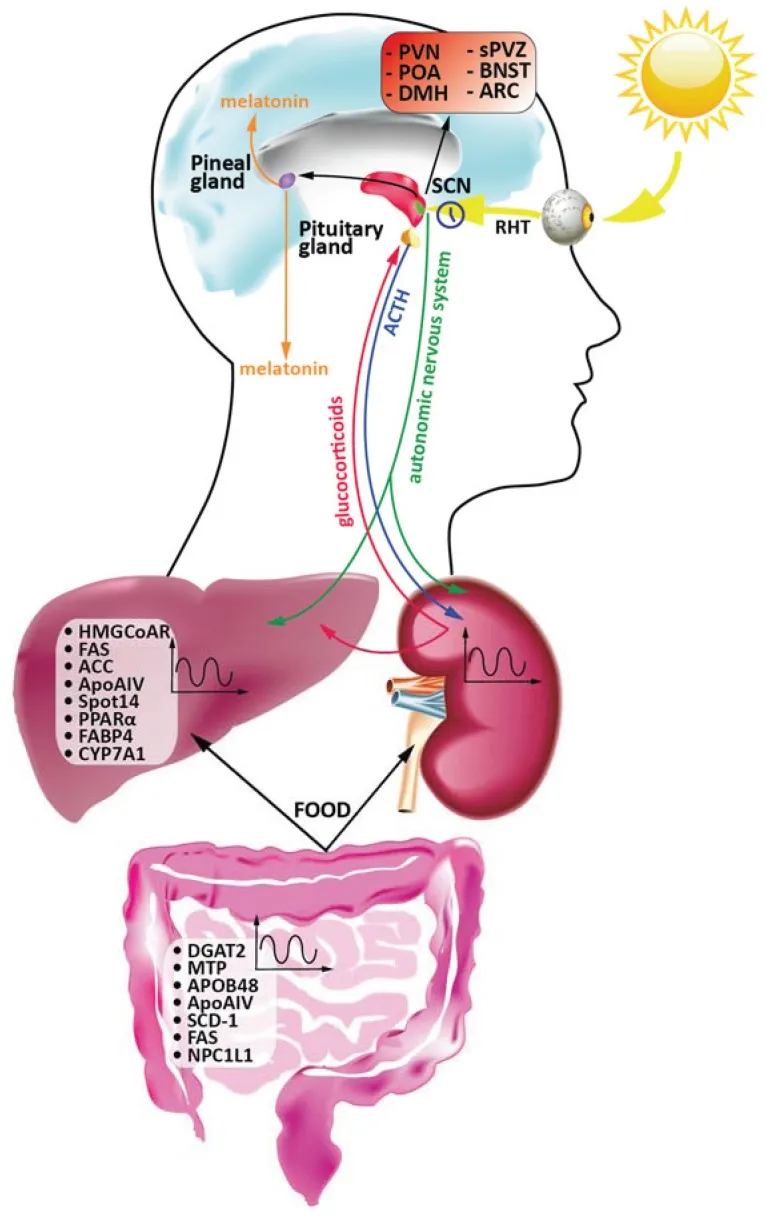
The time printed on a prescription label rarely tells the full story. Emerging science in chronopharmacology reveals that your body's internal clock profoundly shapes how drugs are absorbed, processed, and eliminated—sometimes making the difference between a medication that works and one that falls short. Understanding these biological rhythms can help patients and providers make smarter, more personalized dosing decisions.

When Following Orders Backfires: The Nuanced Truth About Prescription Compliance

Most patients assume that taking a medication exactly as written on the label is always the safest course of action. In reality, rigid adherence to standard dosing instructions can occasionally produce unintended consequences—and knowing when to ask questions may be just as important as knowing when to comply. This article examines the clinical scenarios where flexibility, communication, and informed decision-making matter most.

One Dose Does Not Fit All: How Your Genes, Age, and Body Chemistry Determine Whether a Prescription Works for You

One Dose Does Not Fit All: How Your Genes, Age, and Body Chemistry Determine Whether a Prescription Works for You

The same medication prescribed at the identical dose can produce dramatically different results in different patients—and genetics is only part of the explanation. Pharmacogenomics, organ function, and body composition all play measurable roles in how your body processes a drug. Understanding these variables can help patients and providers make smarter, safer prescribing decisions.

Brand-Name vs. Generic Drugs: Separating Marketing Mythology From Medical Science

Brand-Name vs. Generic Drugs: Separating Marketing Mythology From Medical Science

Generic medications carry an outsized stigma in the United States despite rigorous FDA standards ensuring their therapeutic equivalence to brand-name counterparts. This deep-dive examines the science of bioequivalence, dismantles persistent misconceptions, and helps cost-conscious patients navigate their prescriptions with confidence.